
Menopause Nutrition Program
Personalized nutrition guidance to support healthy weight, bone health, energy, and overall well-being through menopause.
Book ConsultationTable of Contents
TogglePersonalized Nutrition for a Healthier, More Balanced Menopause
Menopause is a natural stage of life, but the physical and nutritional changes that accompany it can affect energy, metabolism, weight, sleep, digestion, mood, and overall well-being.
The Menopause Nutrition Program at Nutrition360 provides personalized dietary guidance designed to support women through perimenopause, menopause, and postmenopause. Your nutrition plan is tailored to your age, lifestyle, dietary preferences, nutritional needs, health goals, and menopause-related concerns.
Whether you are looking for a menopause diet plan, menopause nutritionist near me, or practical guidance on what to eat during menopause, Nutrition360 helps you develop sustainable eating habits for this important stage of life.
5,000+
Clients Helped
95%
Client Satisfaction
10+
Years Experience
1 ON 1
Dietitian Support
This Program Is for You If You...
Experience menopause or perimenopause
Struggle with menopause weight gain
Want better nutrition and energy
Want help managing food cravings
Prefer a personalized diet plan
Need sustainable weight management
Want expert nutrition support
How the Nutrition360 Menopause Nutrition Program Works
Nutrition360 follows a science-backed approach to menopause nutrition, with customized diet plans tailored to your unique nutritional needs and health goals.
Comprehensive Health Assessment
Assessing your nutritional needs, lifestyle, and menopause concerns for personalized diet planning.
Personalized Diet Plan
A personalized diet plan tailored to your nutritional needs, lifestyle, and menopause goals.
Regular Progress Monitoring
Tracking your progress and adjusting your nutrition plan as needed.
Ongoing Expert Support
Continuous nutrition guidance to support your menopause health goals.
What Is Menopause Nutrition Program?
A Menopause Nutrition Program is a personalized nutrition program designed to address the changing nutritional needs of women during perimenopause and menopause.
Hormonal changes during menopause can be associated with changes in body composition, appetite, metabolism, bone health, cardiovascular risk factors, and muscle mass. A balanced diet and appropriate lifestyle habits can play an important role in supporting overall health.
At Nutrition360, the program focuses on practical nutrition rather than restrictive dieting.
Your personalized plan may include guidance on:
- Healthy menopause diet
- Menopause weight management
- Protein intake during menopause
- Bone-supportive nutrition
- Heart-healthy eating
- Healthy fats and fiber
- Calcium and vitamin D-rich foods
- Managing food cravings
- Hydration
- Meal timing and portion control
- Vegetarian and eggitarian menopause diets
- Indian menopause meal planning
- Nutrition for perimenopause
- Nutrition for postmenopause
- Sustainable lifestyle habits
Why Is Nutrition Important During Menopause?
The menopause transition can bring changes in hormones, body composition, appetite, and metabolism. Maintaining a balanced and nutrient-dense diet can help support overall health during this stage.
A well-planned menopause diet can focus on:
Maintaining Healthy Weight
Changes in body composition and activity levels can make weight management more challenging during menopause. A personalized diet can focus on appropriate portions, protein, fiber, nutrient density, and sustainable eating habits.
Supporting Muscle Health
Adequate protein combined with appropriate physical activity can help support muscle maintenance as women age.
Supporting Bone Health
Calcium, vitamin D, protein, and other nutrients contribute to maintaining healthy bones. Nutrition should be considered alongside appropriate physical activity and medical guidance.
Supporting Heart Health
A balanced diet rich in vegetables, fruits, whole grains, legumes, fiber, and appropriate sources of healthy fats can support overall cardiovascular health.
Supporting Energy & Well-Being
Balanced meals can help provide consistent nutritional support throughout the day while avoiding unnecessary restrictive diets.
Personalized Menopause Diet Plan
There is no single best diet for menopause that works for every woman.
Your personalized menopause diet plan can be developed based on:
- Age
- Menopause or perimenopause stage
- Dietary preferences
- Lifestyle
- Activity level
- Eating habits
- Body composition and weight goals
- Food preferences
- Nutritional requirements
- Relevant health concerns
- Existing medical advice
The goal is to create a diet that is nutritious, practical, enjoyable, and sustainable.
What to Eat During Menopause?
A balanced menopause diet can include a variety of nutrient-rich foods.
Protein-Rich Foods
Protein is an important part of a healthy diet during menopause and can be obtained from suitable sources such as:
- Dal
- Lentils
- Beans
- Chickpeas
- Paneer
- Curd
- Milk
- Eggs
- Tofu
- Soy products
- Fish, poultry, or lean meat where appropriate
The right amount of protein depends on individual nutritional requirements.
Calcium-Rich Foods
Calcium is important for maintaining bone health. Suitable sources can include:
- Milk
- Curd
- Paneer
- Calcium-fortified alternatives
- Sesame seeds
- Ragi
- Certain leafy green vegetables
- Other calcium-rich foods
Fiber-Rich Foods
Fiber-rich foods can support digestive health and help make meals more filling.
Examples include:
- Vegetables
- Fruits
- Whole grains
- Legumes
- Beans
- Seeds
- Nuts
Healthy Fats
Appropriate sources of healthy fats may include:
- Nuts
- Seeds
- Flaxseeds
- Chia seeds
- Avocado
- Olive oil
- Other suitable unsaturated fat sources
Fruits & Vegetables
A variety of colorful fruits and vegetables provides fiber, vitamins, minerals, and other beneficial plant compounds.
Menopause Nutrition for Weight Management
Weight gain during menopause is a common concern, but aggressive calorie restriction is generally not the best approach.
Nutrition360 focuses on sustainable strategies such as:
- Balanced meals
- Adequate protein
- Increased dietary fiber
- Appropriate portion sizes
- Nutrient-dense foods
- Reduced reliance on highly processed foods
- Healthy snack choices
- Adequate hydration
- Regular physical activity where appropriate
Your menopause weight loss diet plan can be adjusted according to your individual nutritional requirements and health goals.
Menopause Nutrition for Common Concerns
Menopause & Weight Gain
Hormonal changes, aging, changes in activity levels, sleep disruption, and other factors can influence body composition during menopause.
A personalized menopause diet plan for weight management can focus on sustainable eating habits rather than crash diets.
Menopause & Hot Flashes
Some women experience hot flashes and night sweats during menopause. Individual dietary triggers can vary. Nutrition counseling can help you identify practical eating and lifestyle patterns while ensuring your diet remains nutritionally balanced.
Menopause & Bone Health
Bone health becomes increasingly important around and after menopause. Adequate calcium, vitamin D, protein, and appropriate physical activity are important components of a healthy lifestyle.
Menopause & Cholesterol
Nutrition can form part of a heart-healthy lifestyle. Depending on your individual requirements, your diet may emphasize fiber-rich foods, vegetables, fruits, whole grains, legumes, nuts, seeds, and appropriate sources of unsaturated fats.
Menopause & Constipation
Adequate fiber, fluids, and appropriate physical activity can support digestive health. A personalized diet can incorporate suitable high-fiber foods according to your tolerance and nutritional needs.
Menopause & Food Cravings
Changes in appetite and cravings can make healthy eating more difficult. A structured meal plan containing adequate protein, fiber, and nutrient-dense foods can help create more balanced eating patterns.
Perimenopause Nutrition Program
Perimenopause is the transitional period before menopause when hormonal fluctuations can begin.
Nutrition during perimenopause can focus on:
- Balanced meals
- Adequate protein
- Fiber-rich foods
- Bone-supportive nutrients
- Healthy fats
- Appropriate hydration
- Healthy weight management
- Sustainable lifestyle habits
A personalized perimenopause diet plan can be adjusted as your symptoms and nutritional requirements change.
Postmenopause Nutrition
Nutrition remains important after menopause.
A postmenopause diet plan can focus on supporting:
- Bone health
- Muscle health
- Healthy body weight
- Cardiovascular health
- Digestive health
- Adequate protein intake
- Adequate calcium and vitamin D
- Overall nutritional adequacy
Vegetarian Menopause Diet
Women following a vegetarian diet can still meet their nutritional requirements with appropriate planning.
A personalized vegetarian menopause diet can incorporate:
- Dal
- Beans
- Lentils
- Soy
- Tofu
- Paneer
- Curd
- Milk
- Nuts
- Seeds
- Vegetables
- Fruits
- Whole grains
Specific nutrients such as vitamin B12, iron, calcium, vitamin D, and protein may require particular attention depending on the individual’s diet.
Eggitarian Menopause Diet
For women who eat eggs, eggs can be incorporated into a balanced menopause diet as a convenient protein source.
They can be combined with vegetables, whole grains, dairy or alternatives, legumes, and other nutrient-dense foods to create balanced meals.
Indian Menopause Diet Plan
A healthy Indian menopause diet plan does not need to eliminate traditional foods.
Instead, familiar foods can be structured into balanced meals using:
- Dal
- Rajma
- Chole
- Sabzi
- Roti
- Brown rice or other whole grains
- Curd
- Paneer
- Eggs
- Seasonal fruits
- Nuts
- Seeds
- Healthy cooking methods
Portions and food combinations can be adjusted according to your nutritional needs and health goals.
Foods to Limit During Menopause
There is no universal list of foods that every woman must completely eliminate during menopause. However, limiting excessive intake of highly processed and nutrient-poor foods may support healthier eating habits.
Depending on your individual needs, you may be advised to reduce:
- Highly processed foods
- Excessive added sugar
- Excessively salty foods
- Deep-fried foods
- Excessive refined carbohydrates
- Sugary beverages
- Excessive alcohol
- Excessive caffeine if it triggers symptoms
Your nutrition plan should focus more on what you can include rather than unnecessary food restrictions.
What You Get in the Nutrition360 Menopause Nutrition Program
Comprehensive Nutrition Assessment
Your dietary habits, lifestyle, nutritional requirements, menopause stage, food preferences, and relevant health concerns are reviewed.
Personalized Menopause Diet Plan
A customized diet plan is developed according to your nutritional requirements and health goals.
Weight Management Guidance
Practical strategies are provided to support healthy weight management without extreme dieting.
Nutrition for Bone & Muscle Health
Your diet can incorporate appropriate sources of protein, calcium, vitamin D, and other nutrients important for healthy aging.
Regular Progress Monitoring
Your progress, dietary challenges, and changing nutritional needs can be reviewed regularly.
Ongoing Expert Support
You receive continued nutrition guidance to help you build sustainable and healthy eating habits.
Who is the Menopause Nutrition Program For?
The program may be suitable for women who:
- Are experiencing perimenopause or menopause
- Want a personalized menopause diet plan
- Are concerned about menopause weight gain
- Want support with healthy weight management
- Want to improve their everyday nutrition
- Want to support bone health through nutrition
- Want guidance on protein and calcium intake
- Prefer a vegetarian or eggitarian diet
- Want an Indian menopause diet plan
- Experience food cravings or changing appetite
- Want professional nutrition guidance during menopause
- Want sustainable healthy eating habits
Certified Dietitians
Science-backed Plans
100% Personalized
Follow-up Support
No Crash Diets
Request a Call Back
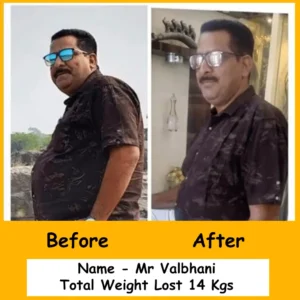
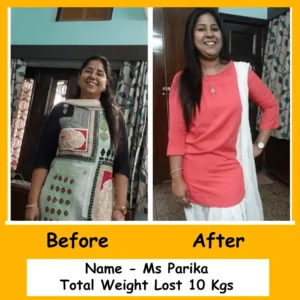
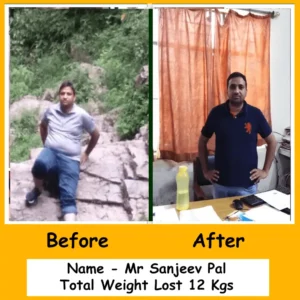
Our Clients
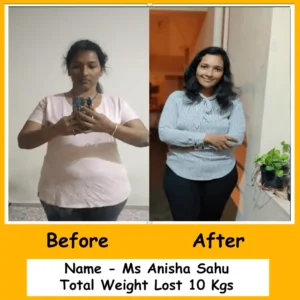
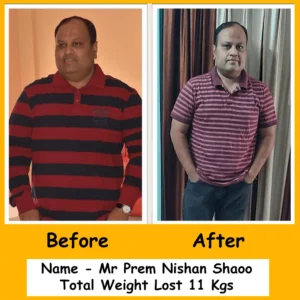
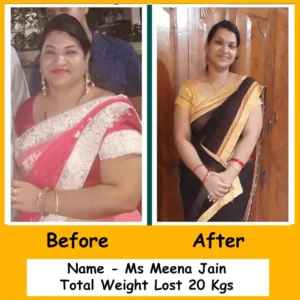
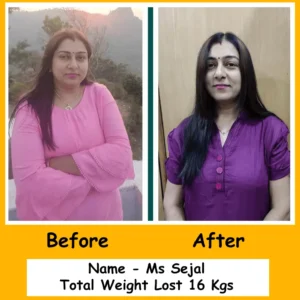
Frequently Asked Questions (FAQs)
There is no single best diet for every woman during menopause. A balanced, nutrient-dense diet containing adequate protein, fiber, vegetables, fruits, whole grains, healthy fats, and important nutrients such as calcium and vitamin D can support overall health. Your individual diet should be tailored to your nutritional needs and health goals.
A personalized menopause diet plan can support healthy weight management by focusing on appropriate portions, adequate protein, fiber-rich foods, nutrient density, and sustainable eating habits. Weight management should not rely on extreme calorie restriction.
A healthy menopause diet can include vegetables, fruits, legumes, whole grains, protein-rich foods, dairy or suitable alternatives, nuts, seeds, and healthy sources of fat. The exact combination should be customized according to your nutritional requirements.
There is no universal list of foods that every woman needs to avoid. However, limiting excessive processed foods, added sugar, deep-fried foods, sugary beverages, and alcohol may support healthier eating. Individual triggers may also be considered.
Nutrition can support healthy body composition and weight management. A balanced diet with adequate protein, fiber, appropriate portions, and regular physical activity can be part of a broader approach to managing changes in body composition during menopause.
Protein, calcium, vitamin D, vitamin B12, iron, magnesium, omega-3 fatty acids, fiber, and other nutrients can be important depending on individual needs. A nutrition professional can assess your diet and identify areas that may require attention.
Yes. A well-planned vegetarian diet can provide important nutrients during menopause through foods such as legumes, soy, dairy products, nuts, seeds, vegetables, fruits, and whole grains.
Yes. A personalized Indian menopause diet plan can include familiar foods such as dal, vegetables, roti, whole grains, curd, paneer, legumes, fruits, nuts, and seeds while maintaining appropriate nutritional balance.
Nutrition is one component of maintaining bone health. Adequate calcium, vitamin D, protein, and other nutrients, together with appropriate physical activity and medical guidance where needed, can support healthy bones.
You may consider consulting a menopause dietitian if you want help with menopause weight gain, dietary changes during perimenopause, healthy aging, bone-supportive nutrition, changing eating habits, or developing a personalized menopause diet plan.
When searching for a menopause nutritionist near me, consider a qualified professional who offers personalized nutrition counseling and understands the changing nutritional needs associated with perimenopause and menopause. Nutrition360 provides personalized nutrition guidance based on individual requirements.
Depending on availability, online consultations can provide convenient access to personalized menopause nutrition guidance. Your dietary habits, lifestyle, nutritional concerns, and health goals can be discussed remotely.
No. A menopause diet plan should take into account individual factors such as age, dietary preferences, lifestyle, activity level, nutritional status, health goals, and relevant medical conditions.
The program begins with a comprehensive nutrition assessment, followed by a personalized menopause diet plan. Regular progress monitoring and ongoing expert support can help adapt the plan according to your changing nutritional needs and goals.
You can start by booking a Menopause Nutrition consultation with Nutrition360. Your current diet, lifestyle, menopause stage, nutritional requirements, and health goals can be assessed before creating your personalized nutrition plan.
Why Choose Nutrition360?
Personalized Approach
Your nutrition plan is based on your individual requirements rather than a generic menopause diet chart.
Practical Indian Meal Planning
We help you incorporate familiar foods and realistic meal choices into your daily routine.
Focus on Long-Term Health
The program focuses on sustainable nutrition habits rather than quick-fix diets.
Individualized Weight Management
Your approach to weight management is tailored to your nutritional needs, lifestyle, and health goals.
Ongoing Guidance
Regular monitoring and support help you stay consistent and make adjustments when required.
Menopause Nutritionist Near Me
Searching for a menopause nutritionist near me, menopause dietitian near me, or menopause diet plan near me?
Nutrition360 provides personalized nutrition guidance for women navigating perimenopause, menopause, and postmenopause.