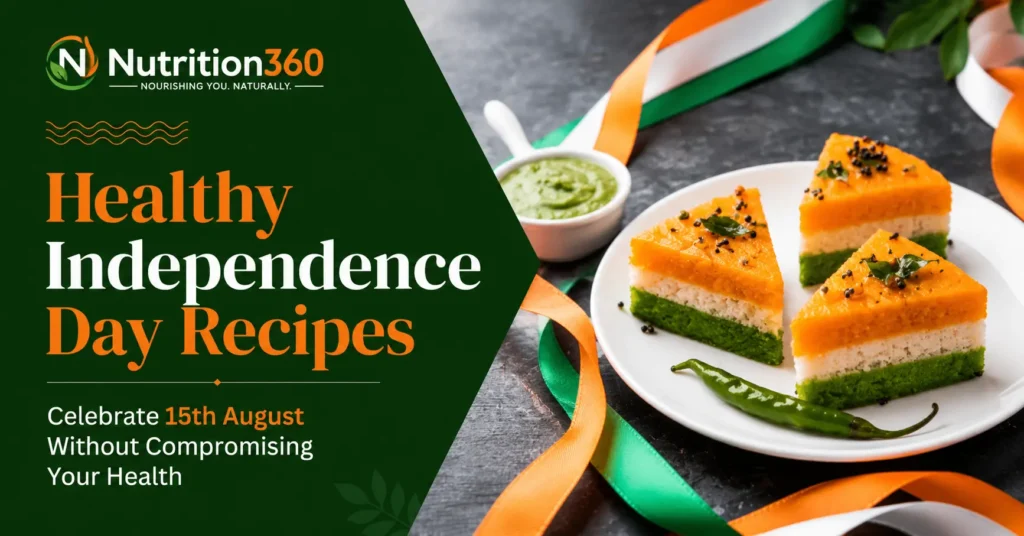
Best Indian Weight Loss Diet Plan for Sustainable Results
Table of Contents
ToggleLosing weight is one of the most common health goals, but many people struggle to achieve lasting results because they follow fad diets, skip meals, or rely on unrealistic weight-loss trends. While these approaches may lead to temporary weight loss, they are often difficult to maintain and can result in nutritional deficiencies, muscle loss, and rapid weight regain.
The secret to successful weight loss is not starving yourself or eliminating your favorite Indian foods—it’s about creating healthy, sustainable eating habits that fit your lifestyle. A balanced Indian diet, combined with regular physical activity and mindful eating, can help you lose weight gradually while improving your overall health.
At Nutrition360, our expert clinical dietitians design personalized weight loss diet plans based on your age, gender, body composition, medical history, lifestyle, food preferences, and weight-loss goals. Our evidence-based nutrition programs focus on fat loss rather than muscle loss, ensuring healthy and sustainable results that you can maintain for life.
Why Sustainable Weight Loss Matters
Many crash diets promise rapid weight loss in just a few weeks. While they may reduce body weight initially, much of the loss comes from water and muscle rather than body fat. Once normal eating habits resume, the lost weight often returns.
Sustainable weight loss focuses on gradual fat reduction while preserving muscle mass. It encourages long-term lifestyle changes instead of temporary restrictions, making it easier to maintain a healthy weight.
Healthy weight loss offers numerous benefits, including:
- Reduced body fat
- Improved energy levels
- Better blood sugar control
- Lower blood pressure
- Reduced cholesterol levels
- Improved digestion
- Better hormonal balance
- Reduced risk of heart disease
- Improved sleep quality
- Increased confidence and overall well-being
What Makes an Indian Diet Effective for Weight Loss?
Contrary to popular belief, Indian food can be highly nutritious and weight-loss friendly when prepared using healthy ingredients and appropriate cooking methods.
A well-balanced Indian diet provides:
- Complex carbohydrates for sustained energy
- High-quality proteins for muscle maintenance
- Healthy fats for hormone balance
- Dietary fibre for better digestion
- Essential vitamins and minerals
- Antioxidants that support overall health
Rather than eliminating carbohydrates completely, the focus should be on choosing whole grains, controlling portions, and combining them with protein and vegetables to maintain stable blood sugar levels and reduce hunger.
Common Reasons People Fail to Lose Weight
Many individuals unknowingly make mistakes that prevent successful weight loss.
Some common reasons include:
- Skipping breakfast
- Eating oversized portions
- Frequent consumption of processed foods
- Sugary beverages
- Late-night eating
- Emotional eating
- Lack of physical activity
- Poor sleep quality
- Chronic stress
- Following unrealistic diet plans
- Inconsistent meal timings
- Ignoring protein intake
Understanding these factors is the first step toward building healthier habits.
Principles of a Healthy Indian Weight Loss Diet
A successful weight loss diet should provide adequate nutrition while creating a moderate calorie deficit.
Our dietitians recommend:
Eat More
- Fresh vegetables
- Seasonal fruits
- Whole grains
- Millets
- Oats
- Brown rice
- Whole wheat
- Lentils
- Beans
- Low-fat dairy
- Lean proteins
- Healthy fats
- Nuts and seeds
Limit
- Sugary beverages
- Refined sugar
- Bakery products
- Deep-fried foods
- Processed snacks
- White bread
- Excess sweets
- Fast food
- High-calorie desserts
- Alcohol
The goal is to make healthier choices rather than completely restricting your favorite foods.
Best Foods for Healthy Weight Loss
High-Protein Foods
Protein helps increase satiety, supports muscle maintenance, and boosts metabolism.
Excellent choices include:
- Eggs
- Paneer
- Greek yogurt
- Tofu
- Lentils
- Chickpeas
- Rajma
- Soy products
- Fish
- Skinless chicken
Fibre-Rich Foods
Dietary fibre helps you stay full longer while improving digestion.
Choose:
- Oats
- Whole wheat
- Millets
- Brown rice
- Quinoa
- Fruits
- Green leafy vegetables
- Broccoli
- Cucumber
- Carrots
- Beans
Aim to include vegetables in every major meal.
Healthy Fats
Healthy fats support hormone production and reduce cravings.
Good options include:
- Almonds
- Walnuts
- Pistachios
- Chia seeds
- Flaxseeds
- Pumpkin seeds
- Olive oil
- Mustard oil
Even healthy fats should be consumed in moderation.
Low-Calorie Vegetables
Vegetables are rich in nutrients while naturally low in calories.
Recommended options:
- Spinach
- Bottle gourd
- Ridge gourd
- Cauliflower
- Cabbage
- Capsicum
- Tomatoes
- Mushrooms
- Zucchini
- Lettuce
- Broccoli
Half your plate should ideally consist of vegetables.
Sample Best Indian Weight Loss Diet Plan
Early Morning
- Warm water with lemon (optional)
- 5–6 soaked almonds or walnuts
Breakfast
- Vegetable oats upma
OR - Moong dal chilla with mint chutney
OR - Vegetable poha with sprouts
Mid-Morning Snack
- Apple
- Guava
- Papaya
- Coconut water (if appropriate)
Lunch
- Two multigrain rotis
- Dal or grilled paneer/chicken
- Mixed vegetables
- Salad
- Low-fat curd
Evening Snack
- Roasted chana
- Sprouts salad
- Green tea
- Buttermilk
Dinner
- One to two multigrain rotis
- Mixed vegetable curry
- Paneer, tofu, dal, fish, or grilled chicken
- Salad
Bedtime (Optional)
- Warm low-fat milk (if recommended)
This sample plan should be personalized according to individual calorie needs, medical conditions, and activity levels.
Lifestyle Habits That Support Weight Loss
Healthy eating works best when combined with positive lifestyle changes.
Recommended habits include:
- Walk 8,000–10,000 steps daily
- Strength train 2–3 times a week
- Sleep 7–8 hours every night
- Drink adequate water
- Avoid skipping meals
- Practice mindful eating
- Manage stress through yoga or meditation
- Track your progress regularly
Consistency is more important than perfection.
Common Weight Loss Myths
Many misconceptions make weight loss more difficult than it needs to be.
Myth: Skipping meals helps lose weight faster.
Fact: Skipping meals often leads to overeating later in the day.
Myth: Carbohydrates should be completely avoided.
Fact: Whole grains and complex carbohydrates are part of a healthy weight-loss diet.
Myth: Eating after 8 PM always causes weight gain.
Fact: Total calorie intake and food quality matter more than the clock.
Myth: Detox drinks melt body fat.
Fact: There is no scientific evidence that detox drinks burn fat.
Myth: Weight loss supplements work without lifestyle changes.
Fact: Sustainable weight loss depends on healthy eating, physical activity, and consistent habits.
Why Choose Nutrition360 for Weight Loss?
At Nutrition360, we believe that successful weight loss should improve your health—not compromise it. Our experienced clinical dietitians create personalized, practical meal plans that fit your lifestyle and cultural food preferences.
Our Weight Loss Program includes:
- Comprehensive Nutritional Assessment
- Personalized Indian Meal Plans
- Body Composition Analysis
- Weight & Inch-Loss Tracking
- Lifestyle Modification Coaching
- Portion Control Education
- Online & In-Clinic Consultations
- Regular Follow-up Sessions
- Continuous Motivation & Support
We focus on helping you lose fat, preserve muscle, improve metabolism, and build healthy habits that last a lifetime.
Conclusion
Healthy weight loss is a journey that requires patience, consistency, and the right guidance. Instead of following restrictive diets or quick fixes, focus on balanced nutrition, regular physical activity, adequate sleep, and mindful eating.
With expert support from Nutrition360, you can achieve sustainable weight loss while enjoying delicious Indian meals and maintaining your overall health.
Book your consultation with Nutrition360 today and start your journey toward healthy, sustainable weight loss with a personalized Indian diet plan designed just for you.
- Mansee
The best Indian weight loss diet is one that is balanced, nutritious, and sustainable. It should include whole grains, seasonal vegetables, lean proteins, healthy fats, fruits in moderation, and plenty of water while limiting processed foods, sugary drinks, and deep-fried snacks. A personalized meal plan created by a clinical dietitian is the most effective approach because it considers your age, body composition, medical conditions, activity level, and lifestyle.
Healthy and sustainable weight loss typically ranges between 2 to 4 kg per month, depending on your starting weight, metabolism, calorie intake, physical activity, and medical conditions. Rapid weight loss through crash diets is generally not recommended, as it may result in muscle loss, nutritional deficiencies, and weight regain.
Yes. You do not need to eliminate traditional Indian foods such as roti or rice to lose weight. The key is choosing healthier options like whole wheat rotis, multigrain rotis, brown rice, or hand-pounded rice, while controlling portion sizes and pairing them with vegetables and protein-rich foods. Balanced meals are more effective than completely avoiding carbohydrates.
Some of the best Indian foods for weight loss include oats, dal, sprouts, paneer, curd, tofu, eggs, grilled chicken, fish, millets (jowar, bajra, ragi), whole wheat rotis, brown rice, seasonal vegetables, leafy greens, fruits, nuts, and seeds. These foods provide essential nutrients, improve satiety, and support healthy fat loss.
To support healthy weight loss, it is advisable to limit sugary beverages, sweets, bakery products, refined flour (maida), white bread, deep-fried foods, processed snacks, packaged juices, fast food, excess alcohol, and high-calorie desserts. These foods are often high in calories and low in nutritional value, making it more difficult to achieve a calorie deficit.
Yes. A healthy breakfast provides energy, helps regulate appetite, and reduces the likelihood of overeating later in the day. Choosing a protein-rich breakfast such as moong dal chilla, vegetable oats, sprouts, eggs, or Greek yogurt can improve satiety and support better weight management.
Protein requirements vary depending on age, body weight, activity level, and health goals. Adequate protein intake helps preserve muscle mass during weight loss, supports metabolism, and keeps you feeling fuller for longer. A dietitian can calculate the appropriate protein intake based on your individual needs.
A healthy diet plays a significant role in reducing overall body fat, including abdominal fat. However, spot reduction is not possible. Combining a calorie-controlled diet with strength training, regular physical activity, adequate sleep, and stress management is the most effective approach to reducing belly fat.
Most adults should aim to drink sufficient water throughout the day to stay hydrated, although requirements vary depending on body size, activity level, and climate. Drinking water before meals may also help improve satiety and support healthy eating habits.
No. Carbohydrates are an essential source of energy and should not be completely eliminated. Instead, focus on consuming complex carbohydrates such as oats, whole wheat, millets, brown rice, quinoa, and legumes while reducing refined carbohydrates like white bread, sugary cereals, and processed snacks.
Intermittent fasting may help some individuals reduce calorie intake and lose weight, but it is not suitable for everyone. People with diabetes, pregnancy, certain medical conditions, or specific nutritional needs should consult a healthcare professional or dietitian before starting intermittent fasting.
Yes. Whole fruits are rich in fibre, vitamins, minerals, and antioxidants, making them an important part of a healthy weight loss diet. Apples, guava, oranges, berries, papaya, pears, and kiwi are excellent choices when eaten in moderate portions. Fruit juices should be limited because they contain less fibre and can contribute to higher calorie intake.
Weight loss can be influenced by several factors, including portion sizes, hidden calories, hormonal imbalances, poor sleep, stress, certain medications, lack of physical activity, and medical conditions such as hypothyroidism or PCOS. A comprehensive nutritional assessment can help identify barriers to weight loss and create a more effective plan.
Every individual has different nutritional needs based on age, gender, metabolism, medical history, activity level, food preferences, and lifestyle. A personalized diet plan is designed specifically for your body and health goals, making it more practical, enjoyable, and sustainable than following a one-size-fits-all diet.
At Nutrition360, our experienced clinical dietitians provide evidence-based, personalized weight loss programs that focus on healthy fat loss, improved metabolism, and long-term lifestyle changes. We offer customized Indian meal plans, body composition analysis, regular follow-up consultations, progress tracking, and continuous support to help you achieve sustainable weight loss while maintaining your overall health and well-being.
Final Thoughts
Achieving sustainable weight loss isn’t about following restrictive fad diets—it’s about building healthy eating habits that fit your lifestyle. A well-balanced Indian weight loss diet plan, tailored to your age, health conditions, activity level, and food preferences, can help you lose weight safely while improving your energy, metabolism, and overall well-being. Consistency, portion control, regular physical activity, quality sleep, and expert nutritional guidance are the keys to long-term success.
Ready to Transform Your Health?
Don’t let confusion or crash diets hold you back. At Nutrition360, our expert dietitians create personalized Indian weight loss diet plans designed to help you achieve lasting results without giving up your favorite foods. Whether your goal is weight loss, diabetes management, PCOS, thyroid care, or better overall health, we’re here to guide you every step of the way.
📞 Book your personalized consultation today and take the first step towards a healthier, happier, and more confident you!
Other Blogs
Discover a practical PCOS diet plan for women in Noida Extension with balanced Indian meals, vegetarian options, healthy food choices, and easy tips for managing...
Read More
Discover a practical PCOS diet plan for women in Noida Extension with balanced Indian meals, vegetarian options, healthy food choices, and easy tips for managing...
Read More
Looking for a fatty liver dietitian in Noida? Discover the best foods to eat and avoid, Indian diet tips, healthy meal choices, and practical nutrition...
Read More
Mansee Chauhan is the Head Nutritionist at Nutrition360, Greater Noida West, dedicated to providing personalized, evidence-based nutrition guidance for individuals seeking sustainable improvements in their health and lifestyle. She focuses on creating practical diet plans tailored to individual health goals, dietary preferences, lifestyle patterns, and nutritional needs. Her areas of nutrition expertise include weight management, diabetes-friendly nutrition, gut health, hormonal wellness, fitness nutrition, and overall healthy living. Through personalized nutrition counselling and structured dietary guidance, Mansee Chauhan helps individuals develop healthier eating habits and make sustainable lifestyle changes for long-term well-being.