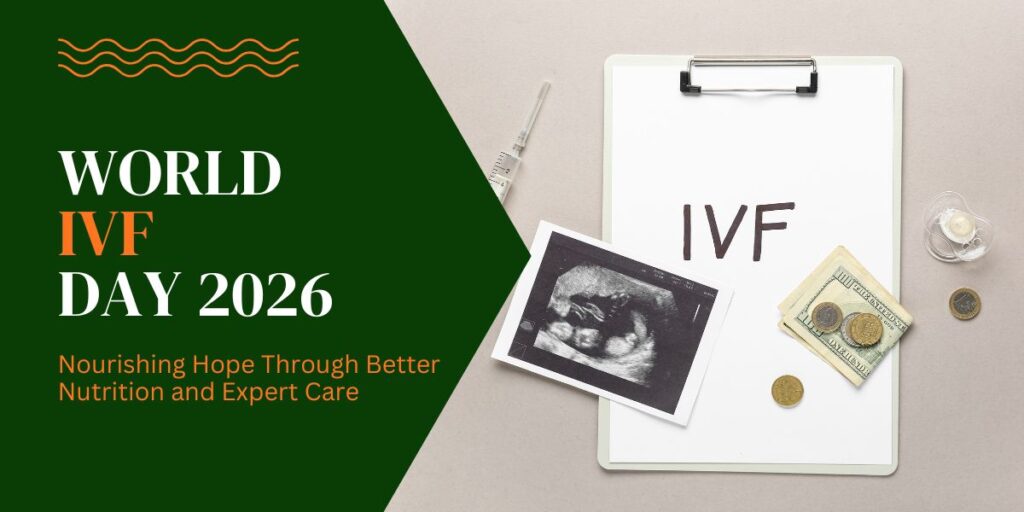
World IVF Day 2026: Nourishing Hope Through Better Nutrition and Expert Care
Table of Contents
ToggleEvery year on 25th July, World IVF Day is observed across the globe to commemorate one of the greatest achievements in reproductive medicine—the birth of Louise Brown, the world’s first baby conceived through In Vitro Fertilization (IVF) in 1978.
This remarkable milestone transformed the lives of millions of couples struggling with infertility and continues to inspire hope for families worldwide.
For many couples, the journey toward parenthood is not always straightforward. While some conceive naturally, others may require medical assistance due to various fertility challenges. Today, advancements in reproductive medicine have made IVF one of the most successful fertility treatments available.
However, successful fertility care extends beyond medical procedures alone.
A healthy body, balanced nutrition, emotional well-being, and healthy lifestyle habits all contribute to preparing the body for pregnancy.
At Nutrition360, we believe nutrition is an important part of comprehensive fertility care. While no specific food, supplement, or diet can guarantee IVF success, evidence suggests that maintaining good nutritional status and adopting healthy lifestyle practices can support overall reproductive health before and during fertility treatment.
This guide explains everything you need to know about World IVF Day 2026, fertility nutrition, IVF diet plans, and practical dietary strategies that can help you prepare for your fertility journey.
Understanding Infertility: A Journey Shared by Millions
Infertility is more common than many people realize.
According to the World Health Organization (WHO), approximately 1 in 6 people globally experience infertility during their lifetime. Despite its prevalence, infertility often remains surrounded by stigma, misconceptions, and emotional distress.
For many couples, the inability to conceive can affect emotional health, relationships, confidence, and overall quality of life.
It’s important to remember that infertility is a medical condition—not a personal failure. Seeking professional medical advice early can help identify underlying causes and provide access to appropriate treatment options.
Common Causes of Infertility
Infertility can affect both women and men. In many cases, multiple factors may contribute.
Female Factors
Women may experience fertility challenges due to:
- Polycystic Ovary Syndrome (PCOS)
- Endometriosis
- Blocked fallopian tubes
- Ovulation disorders
- Low ovarian reserve
- Uterine abnormalities
- Hormonal imbalances
- Thyroid disorders
- Age-related decline in fertility
Male Factors
Male infertility may result from:
- Low sperm count
- Reduced sperm motility
- Abnormal sperm morphology
- Hormonal disorders
- Genetic conditions
- Varicocele
- Lifestyle factors such as smoking or excessive alcohol intake
Combined or Unexplained Infertility
Sometimes, fertility challenges involve both partners or remain unexplained despite thorough medical evaluation.
Understanding the underlying cause is the first step toward selecting the most appropriate treatment plan.
What is IVF?
In Vitro Fertilization (IVF) is an advanced assisted reproductive technology that helps individuals and couples achieve pregnancy when natural conception is difficult.
In IVF, mature eggs are collected from the ovaries and fertilized with sperm in a specialized laboratory. The resulting embryo is then carefully transferred into the uterus, where it may implant and develop into a pregnancy.
Since its introduction, IVF has helped millions of families worldwide and continues to evolve with advancements in reproductive medicine.
Who May Benefit from IVF?
Your fertility specialist may recommend IVF if you have:
- Blocked or damaged fallopian tubes
- Severe male infertility
- Endometriosis
- PCOS with unsuccessful previous treatments
- Reduced ovarian reserve
- Recurrent pregnancy loss
- Unexplained infertility
- Need for genetic testing before pregnancy
Not every couple experiencing infertility requires IVF. Your fertility specialist will recommend the most appropriate treatment based on your medical history and diagnostic evaluation.
Understanding the IVF Journey
Many patients feel anxious because they don’t know what to expect during IVF treatment.
Understanding the treatment process often helps reduce anxiety and allows couples to prepare physically and emotionally.
Step 1: Initial Fertility Assessment
The fertility specialist evaluates both partners through medical history, physical examination, hormone testing, ultrasound scans, ovarian reserve testing, and semen analysis.
Additional investigations may be recommended depending on individual needs.
Step 2: Ovarian Stimulation
Hormonal medications stimulate the ovaries to produce multiple mature eggs instead of the single egg normally released during a menstrual cycle.
During this phase, regular blood tests and ultrasound scans monitor follicle development.
Step 3: Egg Retrieval
Once the eggs have matured, they are collected through a minimally invasive procedure performed under sedation.
Most women can return home the same day after a short observation period.
Step 4: Fertilization
The collected eggs are combined with sperm in the laboratory.
Depending on the clinical situation, fertilization may occur through:
- Conventional IVF
- Intracytoplasmic Sperm Injection (ICSI)
The embryology team carefully monitors embryo development over several days.
Step 5: Embryo Transfer
A healthy embryo is transferred into the uterus using a thin catheter.
The procedure is generally painless and usually does not require anesthesia.
Following embryo transfer, patients receive medications to support the uterine lining.
Step 6: Pregnancy Test
Approximately two weeks after embryo transfer, a blood test is performed to determine whether implantation has occurred.
Regardless of the outcome, your fertility team provides guidance regarding the next steps.
Can Nutrition Improve IVF Success?
One of the most common questions couples ask is:
“Can eating the right foods increase IVF success?”
The answer requires honesty and scientific accuracy.
Currently, no individual food, supplement, or diet has been proven to guarantee IVF success.
However, a balanced dietary pattern may help support:
- Healthy body weight
- Hormonal balance
- Blood sugar management
- Immune function
- Nutritional adequacy
- General well-being during treatment
- Recovery from medical procedures
Nutrition works alongside fertility treatment—not as a replacement for medical care.
Why Fertility Nutrition Matters Before IVF
Preparing for IVF is not just about medications and medical appointments. Your body also benefits from being nutritionally prepared.
A well-planned fertility diet may help support your overall health by:
- Providing adequate protein for tissue repair and hormone production.
- Ensuring sufficient intake of essential vitamins and minerals.
- Supporting healthy blood sugar regulation, particularly in women with PCOS.
- Promoting a healthy body weight before treatment.
- Reducing the risk of nutrient deficiencies that could affect overall health.
- Helping maintain energy levels during the treatment process.
This is why many fertility specialists encourage couples to adopt healthier eating habits several months before beginning IVF.
What is an IVF Diet Plan?
An IVF Diet Plan is not a restrictive or “miracle” diet. Instead, it is a personalized nutrition approach designed to support overall health before and during fertility treatment.
A balanced IVF diet generally includes:
- High-quality proteins
- Whole grains
- Fruits and vegetables
- Healthy fats
- Dairy or fortified alternatives
- Adequate hydration
- Fiber-rich foods
The exact diet should always be tailored to your age, weight, medical history, food preferences, and any underlying conditions such as PCOS, diabetes, or thyroid disorders.
Why Personalized Fertility Nutrition Matters
No two fertility journeys are the same.
A woman with PCOS has different nutritional needs than someone with endometriosis or unexplained infertility. Similarly, men may require nutritional guidance tailored to their own health and lifestyle.
At Nutrition360, personalized nutrition plans are developed after considering factors such as:
- Medical history
- Laboratory findings
- Body weight and BMI
- Existing medical conditions
- Food preferences
- Lifestyle habits
- Fertility treatment stage
The aim is to create practical, sustainable eating patterns that fit your daily life while supporting your overall health.
Why Nutrition Matters During Your IVF Journey
Once you’ve decided to begin IVF treatment, one of the first questions that often comes to mind is:
“What should I eat to improve my chances of a healthy pregnancy?”
While there is no specific food or diet that can guarantee IVF success, maintaining a balanced and nutrient-rich eating pattern can support your overall health, help manage existing medical conditions, and prepare your body for pregnancy.
Nutrition is not a substitute for fertility treatment—it is an important part of comprehensive care.
Think of your body as preparing for one of life’s most significant journeys. Just as a healthy foundation supports a strong building, a well-balanced diet helps provide your body with the nutrients it needs throughout fertility treatment.
What is Fertility Nutrition?
Fertility Nutrition is the practice of meeting your body’s nutritional needs before conception and during fertility treatment.
Its goals include:
- Supporting overall reproductive health
- Maintaining a healthy body weight
- Managing insulin resistance in women with PCOS
- Supporting normal hormone production
- Reducing nutritional deficiencies
- Promoting healthy eating habits before pregnancy
- Supporting maternal health once pregnancy occurs
Rather than focusing on a single “superfood,” fertility nutrition emphasizes overall dietary quality.
Best Diet Before IVF: Building a Healthy Foundation
If you’re planning IVF, many fertility specialists recommend adopting healthier eating habits at least 2–3 months before treatment, as this is approximately the time required for egg and sperm maturation.
A balanced fertility diet should include:
✔ Plenty of colourful vegetables
✔ Seasonal fruits
✔ Whole grains and millets
✔ High-quality protein
✔ Healthy fats
✔ Dairy or fortified alternatives (if suitable)
✔ Nuts and seeds
✔ Adequate water intake
The goal is not perfection—it is consistency.
Essential Nutrients for Fertility Health
1. Protein – The Building Block of Healthy Cells
Protein supports tissue repair, enzyme production, and normal hormone function.
Good sources include:
- Eggs
- Paneer
- Greek yogurt
- Milk
- Lentils
- Chickpeas
- Kidney beans
- Soy products
- Fish
- Chicken
Aim to include a source of protein with every meal.
2. Folate (Vitamin B9)
Folate is an essential nutrient before conception and during early pregnancy.
Foods rich in folate include:
- Spinach
- Fenugreek leaves
- Broccoli
- Asparagus
- Lentils
- Black-eyed peas
- Citrus fruits
- Avocado
Your doctor may also recommend folic acid supplementation before pregnancy.
3. Iron
Iron helps transport oxygen throughout the body and supports healthy blood formation.
Iron-rich foods include:
- Spinach
- Amaranth leaves
- Lentils
- Chickpeas
- Rajma
- Soybeans
- Lean meats
- Pumpkin seeds
Pair plant-based iron sources with vitamin C-rich foods such as oranges, guava, or tomatoes to improve absorption.
4. Omega-3 Fatty Acids
Omega-3 fats contribute to normal cell function and are an important part of a balanced diet.
Good sources include:
- Salmon
- Sardines
- Mackerel
- Walnuts
- Chia seeds
- Flaxseeds
5. Vitamin D
Vitamin D supports bone health and immune function.
Low vitamin D levels are common and should be assessed by your healthcare provider if indicated.
Natural sources include:
- Sunlight exposure
- Egg yolk
- Fortified dairy
- Fatty fish
6. Zinc
Zinc contributes to normal fertility and reproductive health.
Foods rich in zinc include:
- Pumpkin seeds
- Sesame seeds
- Cashews
- Chickpeas
- Dairy products
- Seafood
7. Calcium
Calcium is essential for bone health and plays a role in muscle and nerve function.
Sources include:
- Milk
- Yogurt
- Paneer
- Ragi
- Tofu
- Sesame seeds
8. Antioxidants
Antioxidants help protect the body’s cells from oxidative stress.
Include:
- Blueberries
- Strawberries
- Tomatoes
- Bell peppers
- Carrots
- Citrus fruits
- Spinach
Eating a variety of colourful fruits and vegetables helps provide a range of antioxidants.
Foods for IVF Success: What to Include More Often
While no food guarantees pregnancy, these nutrient-rich foods can support overall health during IVF.
Protein-Rich Foods
- Eggs
- Paneer
- Tofu
- Greek yogurt
- Chicken
- Fish
- Lentils
- Chickpeas
Whole Grains
- Brown rice
- Oats
- Quinoa
- Millets
- Whole wheat
- Barley
Healthy Fats
- Walnuts
- Almonds
- Pistachios
- Flaxseeds
- Chia seeds
- Olive oil
- Avocado
Fruits
Choose a variety of seasonal fruits such as:
- Apples
- Guava
- Oranges
- Papaya (ripe)
- Kiwi
- Pomegranate
- Berries
Vegetables
Aim for half your plate to be vegetables, including:
- Spinach
- Broccoli
- Carrots
- Beetroot
- Bottle gourd
- Pumpkin
- Bell peppers
- Cauliflower
Foods to Limit During IVF
Although no food is completely forbidden unless advised by your doctor, limiting the following may support overall health:
- Sugary beverages
- Deep-fried foods
- Processed snacks
- Packaged sweets
- Refined flour products
- Excessive salt
- Alcohol
- Smoking
- High intake of ultra-processed foods
Discuss caffeine intake with your fertility specialist.
PCOS IVF Diet: Special Nutrition Considerations
Many women undergoing IVF also have Polycystic Ovary Syndrome (PCOS).
PCOS is often associated with insulin resistance, weight gain, irregular menstrual cycles, and hormonal imbalance.
A personalized diet can help manage these conditions alongside medical treatment.
Dietary Tips for Women with PCOS
✔ Include protein with every meal.
✔ Choose high-fiber carbohydrates.
✔ Eat meals at regular intervals.
✔ Limit sugary beverages.
✔ Reduce highly processed foods.
✔ Stay physically active.
✔ Maintain a healthy body weight.
Best Foods for Women with PCOS
- Eggs
- Paneer
- Greek yogurt
- Lentils
- Chickpeas
- Oats
- Brown rice
- Millets
- Spinach
- Broccoli
- Nuts
- Seeds
Does Male Nutrition Matter?
Absolutely.
Around 40–50% of infertility cases involve male factors, making nutrition equally important for men.
Men should focus on:
- Protein-rich meals
- Fruits and vegetables
- Whole grains
- Zinc-rich foods
- Selenium-rich foods
- Omega-3 fatty acids
- Adequate hydration
They should also avoid:
- Smoking
- Excess alcohol
- Recreational drugs
- Poor sleep
- Sedentary lifestyle
Lifestyle Habits That Complement Fertility Nutrition
Healthy eating works best when combined with healthy lifestyle habits.
Aim to:
✔ Sleep 7–9 hours each night.
✔ Stay physically active.
✔ Manage stress through meditation or yoga.
✔ Stay hydrated.
✔ Maintain a healthy body weight.
✔ Take medications exactly as prescribed.
✔ Attend all follow-up appointments.
Common Nutrition Mistakes During IVF
Avoid these common misconceptions:
❌ Following extreme or restrictive diets.
❌ Eliminating entire food groups without medical advice.
❌ Taking supplements without consulting your doctor.
❌ Relying on social media nutrition trends.
❌ Expecting “fertility superfoods” to guarantee pregnancy.
A balanced, evidence-based eating pattern is a safer and more sustainable approach.
How Nutrition360 Supports Your Fertility Journey
At Nutrition360, we understand that every fertility journey is unique.
Our registered dietitians create personalized fertility nutrition plans tailored to your:
- Medical history
- IVF stage
- PCOS or endometriosis
- Diabetes or thyroid disorders
- Weight goals
- Food preferences
- Lifestyle
- Nutritional requirements
We work alongside your fertility specialist to ensure your nutrition plan supports your overall health while respecting your treatment plan.
Emotional Well-being During IVF
The IVF journey is not only physically demanding but also emotionally challenging. Feelings of hope, anxiety, disappointment, excitement, and uncertainty are common.
Taking care of your mental health is just as important as maintaining a balanced diet.
Strategies to Support Emotional Health
- Talk openly with your partner about your feelings.
- Stay connected with trusted family members or friends.
- Join a fertility support group if you find it helpful.
- Practice mindfulness, meditation, or breathing exercises.
- Engage in hobbies and activities you enjoy.
- Seek professional counselling if you feel overwhelmed.
Remember, asking for emotional support is a sign of strength—not weakness.
Healthy Lifestyle Habits Before and During IVF
A balanced lifestyle complements medical treatment and nutrition.
Aim to:
- Sleep 7–9 hours each night.
- Stay physically active with your doctor’s guidance.
- Drink enough water throughout the day.
- Avoid smoking and alcohol.
- Limit highly processed foods.
- Follow your medication schedule carefully.
- Attend all follow-up appointments.
Small, sustainable habits often have a greater long-term impact than drastic changes.
Questions to Ask Your Fertility Specialist or Dietitian
Preparing questions before your appointment can help you make informed decisions.
Consider asking:
- Is my current weight appropriate for fertility treatment?
- Do I need any blood tests to check for nutritional deficiencies?
- Should I take folic acid or other supplements?
- Are there foods I should avoid during IVF?
- How much caffeine is safe for me?
- What type of exercise is suitable during treatment?
- How should I manage PCOS or diabetes during IVF?
- Can I continue my current medications?
- When should I meet a fertility dietitian?
Why Choose Nutrition360 for Fertility Nutrition?
At Nutrition360, we believe every fertility journey deserves personalized care, evidence-based guidance, and compassionate support.
Our Fertility Nutrition Services Include:
- Personalized IVF diet plans
- PCOS nutrition counselling
- Preconception nutrition
- Weight management before pregnancy
- Diabetes and thyroid nutrition support
- Pregnancy nutrition guidance
- Online and in-person consultations
- Meal planning based on your medical history and preferences
Our goal is to help you build healthy habits that support your overall well-being throughout your fertility journey.
World IVF Day 2026: A Message of Hope
World IVF Day is more than a celebration of medical innovation—it is a reminder that millions of individuals and couples share the dream of becoming parents.
If you are preparing for IVF, remember:
- Every fertility journey is unique.
- Nutrition is one part of comprehensive fertility care.
- Healthy lifestyle habits support your overall well-being.
- Emotional support matters.
- Work closely with qualified healthcare professionals to make informed decisions.
Whether you are taking your first steps toward fertility treatment or are already undergoing IVF, remember that hope, science, and compassionate care can work together to support your journey.
Consult a Fertility Dietitian Before Starting IVF
If you’re planning IVF or have been advised to begin fertility treatment, consider consulting a registered dietitian experienced in fertility nutrition.
A personalized nutrition assessment can help identify:
- Nutrient deficiencies
- Weight-related concerns
- PCOS-related dietary needs
- Diabetes or thyroid management
- Practical meal planning strategies
Working with both your fertility specialist and a qualified dietitian ensures your care is coordinated and tailored to your individual needs.
- Mansee
World IVF Day is observed every year on 25th July to commemorate the birth of Louise Brown, the world’s first baby born through IVF in 1978. The day raises awareness about infertility, assisted reproductive technologies, and the importance of evidence-based fertility care.
An IVF diet plan is a personalized eating plan designed to support overall health before and during fertility treatment. It focuses on balanced nutrition rather than restrictive eating.
No specific diet can guarantee IVF success. However, good nutrition supports overall health, helps correct nutrient deficiencies, and may improve readiness for treatment.
Many specialists recommend adopting healthy eating habits 2–3 months before IVF, allowing time to optimize nutritional status before treatment begins.
A balanced diet may include:
- Fresh fruits
- Vegetables
- Whole grains
- Eggs
- Lentils
- Beans
- Dairy products
- Healthy fats
- Nuts and seeds
The best dietary pattern should be individualized based on your health needs.
It is generally advisable to limit:
- Sugary drinks
- Deep-fried foods
- Ultra-processed snacks
- Alcohol
- Tobacco
- Excessive caffeine (follow your doctor’s guidance)
Yes. Protein contributes to tissue repair, enzyme production, and hormone function. Include protein-rich foods in each meal whenever possible.
Yes. Women with PCOS often benefit from a personalized nutrition plan that supports blood sugar management, healthy weight, and balanced meals. Dietary needs should be discussed with a registered dietitian and fertility specialist.
Yes. Male health plays an important role in fertility. A balanced diet, regular exercise, good sleep, and avoiding smoking and excessive alcohol support overall reproductive health.
No. Supplements should only be taken after discussing them with your healthcare provider. Taking unnecessary or excessive supplements can be harmful.
Moderate caffeine intake may be acceptable for many people, but recommendations vary. Discuss your individual intake with your fertility specialist.
Light to moderate physical activity may be appropriate for many individuals. However, exercise recommendations should always follow your fertility specialist’s advice, especially during ovarian stimulation and after embryo transfer.
Lorem ipsum dolor sit amet, consectetur adipisicing elit. Optio, neque qui velit. Magni dolorum quidem ipsam eligendi, totam, facilis laudantium cum accusamus ullam voluptatibus commodi numquam, error, est. Ea, consequatur.
Not necessarily. Your fertility team may recommend achieving a healthier weight if appropriate, but many people with different body weights have successful IVF pregnancies.
No. Infertility is a medical condition with many potential causes. While managing stress is beneficial for overall well-being, it is not the sole cause of infertility.
Yes. Nutrition360 offers personalized fertility nutrition counselling, including support for women with PCOS, thyroid disorders, diabetes, and weight management needs. Nutrition plans are tailored to complement—not replace—medical fertility care.
Other Blogs
Discover a practical PCOS diet plan for women in Noida Extension with balanced Indian meals, vegetarian options, healthy food choices, and easy tips for managing...
Read More
Discover a practical PCOS diet plan for women in Noida Extension with balanced Indian meals, vegetarian options, healthy food choices, and easy tips for managing...
Read More
Looking for a fatty liver dietitian in Noida? Discover the best foods to eat and avoid, Indian diet tips, healthy meal choices, and practical nutrition...
Read More
Mansee Chauhan is the Head Nutritionist at Nutrition360, Greater Noida West, dedicated to providing personalized, evidence-based nutrition guidance for individuals seeking sustainable improvements in their health and lifestyle. She focuses on creating practical diet plans tailored to individual health goals, dietary preferences, lifestyle patterns, and nutritional needs. Her areas of nutrition expertise include weight management, diabetes-friendly nutrition, gut health, hormonal wellness, fitness nutrition, and overall healthy living. Through personalized nutrition counselling and structured dietary guidance, Mansee Chauhan helps individuals develop healthier eating habits and make sustainable lifestyle changes for long-term well-being.