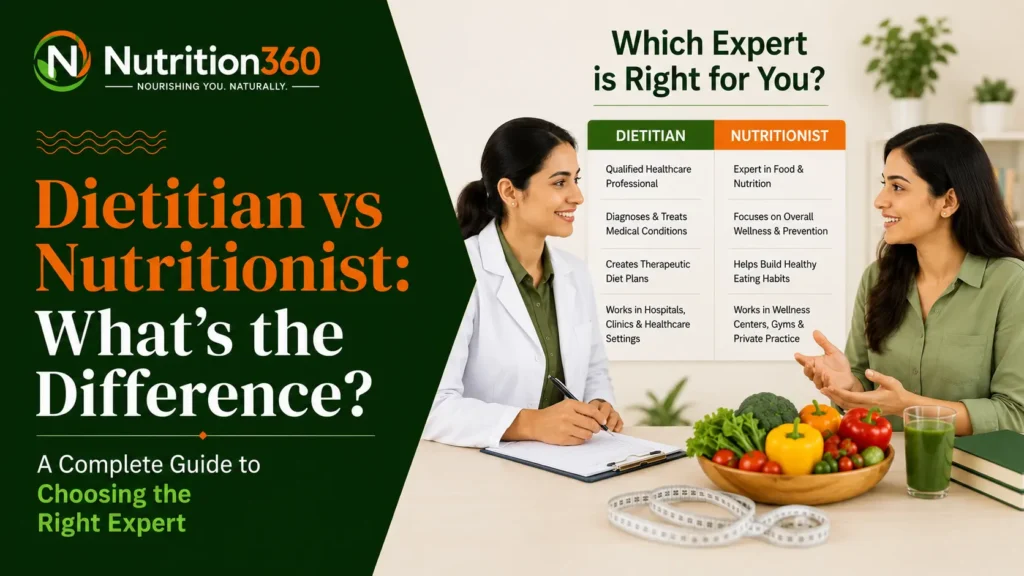
Dietitian vs Nutritionist: What’s the Difference? A Complete Guide to Choosing the Right Expert
Table of Contents
ToggleWith growing awareness about healthy eating, weight management, and disease prevention, more people are seeking professional nutrition advice. However, many often wonder: Should I consult a dietitian or a nutritionist? Are they the same?
Although the terms dietitian and nutritionist are frequently used interchangeably, they are not always the same. While both professionals help people improve their health through nutrition, they differ in terms of education, qualifications, scope of practice, and the types of health conditions they manage.
Understanding these differences can help you choose the right expert for your health goals—whether you want to lose weight, manage diabetes, improve sports performance, or address a medical condition.
What is a Dietitian?
A dietitian is a qualified healthcare professional trained in food, nutrition, and dietetics. Dietitians are educated to assess nutritional needs, diagnose nutrition-related problems, and develop evidence-based diet plans for people with various medical conditions.
Dietitians typically work in:
- Hospitals
- Clinics
- Private practice
- Community health centers
- Corporate wellness programs
- Rehabilitation centers
- Research organizations
They collaborate closely with doctors and other healthcare professionals to support patient care.
What is a Nutritionist?
A nutritionist is a professional who provides guidance on healthy eating, balanced nutrition, and lifestyle modifications. Nutritionists help individuals improve their overall health through personalized dietary advice.
Many nutritionists specialize in areas such as:
- Weight management
- Sports nutrition
- Child nutrition
- Women’s health
- Corporate wellness
- Preventive healthcare
Depending on the country or region, the title “nutritionist” may not be regulated, so qualifications and scope of practice can vary.
Dietitian vs Nutritionist: Key Differences
Feature | Dietitian | Nutritionist |
Primary Focus | Medical nutrition therapy and disease management | General nutrition and healthy lifestyle guidance |
Education | Formal degree in dietetics and clinical training | Varies depending on qualifications and region |
Clinical Practice | Works with medical conditions under healthcare settings | Often focuses on wellness, prevention, and lifestyle |
Personalized Meal Plans | Yes | Yes |
Hospital Practice | Common | Less common, depending on qualifications |
Chronic Disease Management | Extensive | May provide supportive guidance within their expertise |
Qualifications of a Dietitian
A dietitian generally completes:
- A bachelor’s or master’s degree in nutrition or dietetics
- Supervised clinical training or internship
- Professional registration or licensing (where applicable)
- Continuing education to stay updated with current evidence
Qualifications of a Nutritionist
Nutritionists may have qualifications such as:
- Bachelor’s degree in nutrition
- Master’s degree in nutrition or public health
- Certification in sports nutrition, clinical nutrition, or wellness coaching
- Specialized training in specific areas of nutrition
Because requirements differ across countries, it’s important to verify a nutrition professional’s education and credentials.
What Does a Dietitian Do?
Dietitians help manage nutrition for various health conditions, including:
- Diabetes
- Hypertension
- Heart disease
- Kidney disease
- Liver disorders
- Gastrointestinal conditions
- Cancer nutrition
- Obesity
- Malnutrition
- Pregnancy nutrition
- Post-surgery recovery
Their responsibilities include:
- Nutritional assessment
- Individualized meal planning
- Monitoring progress
- Nutrition counseling
- Patient education
- Medical nutrition therapy
What Does a Nutritionist Do?
Nutritionists commonly help clients with:
- Healthy eating habits
- Weight management
- Fitness nutrition
- Sports performance
- Lifestyle improvement
- Preventive health
- Healthy aging
- Workplace wellness
- Family nutrition
They often provide practical guidance to help clients make sustainable dietary changes.
When Should You Consult a Dietitian?
You may benefit from consulting a dietitian if you have:
- Diabetes
- High blood pressure
- High cholesterol
- Kidney disease
- Liver disease
- PCOS
- Thyroid disorders
- Digestive disorders
- Food allergies
- Obesity
- Eating difficulties
- Pregnancy-related nutrition concerns
- Recent surgery requiring nutrition support
When Should You Consult a Nutritionist?
A nutritionist may be a good choice if you want to:
- Lose weight safely
- Gain healthy weight
- Improve your eating habits
- Build muscle
- Improve athletic performance
- Increase energy levels
- Eat a balanced diet
- Improve overall wellness
- Develop healthier lifestyle habits
Can Both Help with Weight Loss?
Yes. Both dietitians and nutritionists can support healthy weight management by creating personalized meal plans, educating clients about balanced nutrition, and encouraging sustainable lifestyle changes. If you have medical conditions such as diabetes, hypertension, or kidney disease, a dietitian with expertise in medical nutrition therapy may be particularly beneficial.
Which Professional is Better for Diabetes?
People with diabetes often require individualized meal planning, blood sugar management, and ongoing nutritional monitoring. A dietitian experienced in diabetes care can provide structured nutrition therapy, while nutritionists may also offer valuable lifestyle and dietary support within their area of expertise.
Which Professional is Better for PCOS?
For individuals with PCOS, nutrition plays an important role in managing weight, insulin resistance, and hormonal balance. Both dietitians and nutritionists can help create personalized eating plans that emphasize balanced meals, high-fiber foods, lean proteins, and regular physical activity.
Which Professional is Better for Sports Nutrition?
Athletes and fitness enthusiasts can benefit from nutrition professionals who specialize in sports nutrition. They can design meal plans that support training, recovery, endurance, strength, hydration, and performance.
How to Choose the Right Nutrition Expert
Before booking an appointment, consider:
- Educational qualifications
- Professional certifications or registration (where applicable)
- Clinical or practical experience
- Area of specialization
- Personalized consultation approach
- Evidence-based recommendations
- Positive client reviews and testimonials
- Availability for follow-up support
Tips for Getting the Most Out of Your Consultation
- Bring your recent medical reports (if applicable).
- Keep a food diary for a few days before your appointment.
- Be honest about your eating habits and lifestyle.
- Discuss your health goals clearly.
- Ask questions if you’re unsure about dietary recommendations.
- Follow the meal plan consistently and attend follow-up sessions.
Common Myths About Dietitians and Nutritionists
Myth 1: They Only Help with Weight Loss
Fact: They also support people with chronic diseases, digestive issues, pregnancy nutrition, sports performance, and overall health.
Myth 2: Healthy Eating Means Giving Up Your Favorite Foods
Fact: A balanced nutrition plan can include your favorite foods in moderation.
Myth 3: Everyone Needs the Same Diet
Fact: Nutrition plans should be personalized based on age, health conditions, lifestyle, activity level, and individual preferences.
- Mansee
A dietitian is a qualified nutrition professional trained to provide medical nutrition therapy and manage diet-related health conditions such as diabetes, kidney disease, hypertension, and obesity. A nutritionist generally focuses on healthy eating, lifestyle improvement, and preventive nutrition. The qualifications and scope of practice for nutritionists may vary depending on the country and professional certifications.
Neither is universally better—the right choice depends on your health goals. If you have a medical condition such as diabetes, PCOS, thyroid disorders, or heart disease, consulting a qualified dietitian is often recommended. If your goal is general wellness, healthy eating, or weight management, a qualified nutritionist can also provide valuable guidance.
Both dietitians and nutritionists can help with weight loss by creating personalized meal plans, improving eating habits, and encouraging sustainable lifestyle changes. If you have obesity or medical conditions affecting weight, a dietitian with experience in medical nutrition therapy may be the best choice.
Yes. Dietitians can create individualized meal plans, educate you on carbohydrate management, monitor your nutritional status, and help improve blood sugar control through evidence-based nutrition strategies. Proper nutrition is a key part of diabetes management.
Yes. Nutritionists can recommend balanced eating plans, support healthy weight management, and encourage lifestyle changes that may help improve insulin sensitivity and hormonal health. For complex medical needs, working with a qualified dietitian may also be beneficial.
Look for professionals with recognized degrees in nutrition or dietetics, relevant certifications, clinical or practical experience, and expertise in your specific health concern. It is also helpful to choose someone who follows evidence-based nutrition practices and offers personalized guidance.
You should consider consulting a dietitian if you have:
- Diabetes
- High blood pressure
- High cholesterol
- Kidney disease
- Liver disease
- PCOS
- Thyroid disorders
- Digestive problems
- Food allergies or intolerances
- Obesity
- Pregnancy-related nutritional needs
- Post-surgery nutritional requirements
A nutritionist may be suitable if you want to:
- Improve your eating habits
- Lose or gain weight
- Build muscle
- Improve sports performance
- Increase energy levels
- Maintain a balanced diet
- Enhance overall wellness
- Prevent lifestyle-related diseases
Yes. Online diet consultations can be highly effective for weight management, diabetes, PCOS, hypertension, thyroid disorders, sports nutrition, and general wellness. Virtual consultations offer convenie
The frequency depends on your health goals and medical condition. Many people benefit from monthly follow-ups, while those managing chronic diseases or following structured weight-loss programs may require more frequent consultations.
Yes. Pediatric dietitians can help children with healthy growth, balanced nutrition, food allergies, picky eating, obesity, undernutrition, digestive issues, and medical conditions requiring specialized dietary care.
In most cases, no referral is required. You can book an appointment directly with a dietitian or nutrition professional. However, some hospitals, healthcare systems, or insurance providers may require a referral.
Yes. Dietitians can recommend heart-healthy eating patterns such as the DASH diet, reduce sodium intake, increase potassium-rich foods, and develop personalized meal plans that support healthy blood pressure alongside medical treatment.
Yes. Dietitians can provide nutrition guidance for individuals with hypothyroidism or hyperthyroidism by ensuring adequate nutrient intake, supporting healthy weight management, and recommending dietary changes that complement medical treatment.
When selecting a dietitian, consider:
- Educational qualifications
- Years of experience
- Area of specialization
- Personalized consultation approach
- Client reviews and testimonials
- Availability for follow-up support
- Evidence-based nutrition recommendations
During your first consultation, the dietitian will review your medical history, eating habits, lifestyle, medications, body measurements, and health goals. Based on this assessment, they will create a personalized nutrition plan and recommend practical dietary changes.
Yes. A personalized diet plan considers your age, gender, medical conditions, activity level, food preferences, lifestyle, and health goals. Customized nutrition plans are generally more sustainable and effective than one-size-fits-all diet charts.
Yes. Dietitians can recommend heart-friendly foods, healthy fats, high-fiber diets, and lifestyle modifications that help manage cholesterol levels and reduce the risk of cardiovascular disease.
At Nutrition360, our experienced dietitians provide personalized, science-backed nutrition plans tailored to your individual health goals. Whether you’re looking to lose weight, manage diabetes, control PCOS, improve thyroid health, lower cholesterol, or enhance sports performance, we offer comprehensive nutrition counseling and ongoing support to help you achieve long-term results.
Final Thoughts
Both dietitians and nutritionists play valuable roles in helping people achieve healthier lifestyles through better nutrition. The right choice depends on your individual goals, health status, and the type of guidance you need. Whether you’re managing a chronic condition, aiming to lose weight, improve sports performance, or simply adopt healthier eating habits, seeking advice from a qualified nutrition professional can make a meaningful difference.
At Nutrition360, our experienced dietitians and nutrition experts create personalized, science-backed nutrition plans tailored to your health goals, lifestyle, and medical needs. From diabetes and PCOS management to weight loss, heart health, sports nutrition, and preventive wellness, we’re here to help you build sustainable habits for long-term health.
Other Blogs

Discover a practical PCOS diet plan for women in Noida Extension with balanced Indian meals, vegetarian options, healthy food choices, and easy tips for managing...
Read More
Discover a practical PCOS diet plan for women in Noida Extension with balanced Indian meals, vegetarian options, healthy food choices, and easy tips for managing...
Read More
Looking for a fatty liver dietitian in Noida? Discover the best foods to eat and avoid, Indian diet tips, healthy meal choices, and practical nutrition...
Read More
Mansee Chauhan is the Head Nutritionist at Nutrition360, Greater Noida West, dedicated to providing personalized, evidence-based nutrition guidance for individuals seeking sustainable improvements in their health and lifestyle. She focuses on creating practical diet plans tailored to individual health goals, dietary preferences, lifestyle patterns, and nutritional needs. Her areas of nutrition expertise include weight management, diabetes-friendly nutrition, gut health, hormonal wellness, fitness nutrition, and overall healthy living. Through personalized nutrition counselling and structured dietary guidance, Mansee Chauhan helps individuals develop healthier eating habits and make sustainable lifestyle changes for long-term well-being.