DASH Diet for Hypertension
Table of Contents
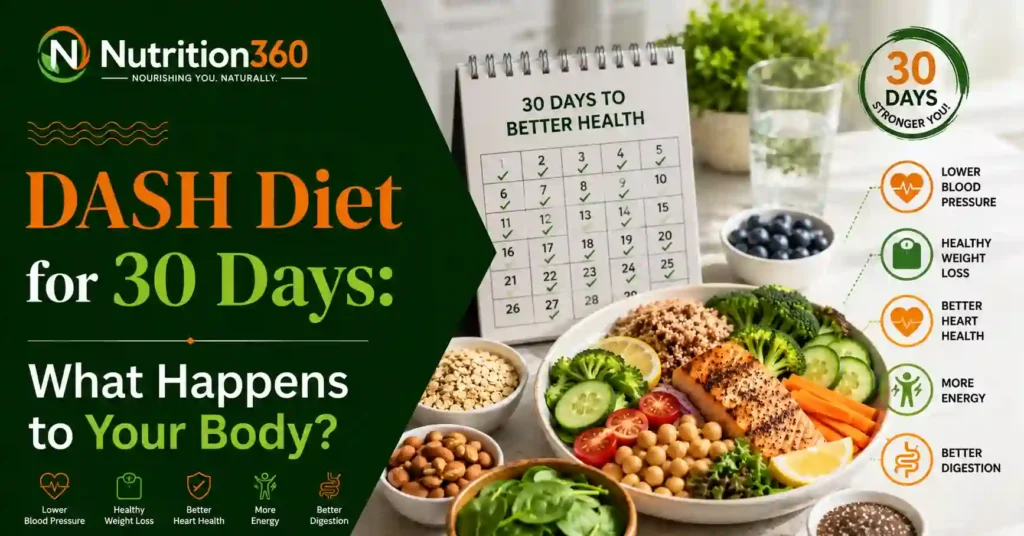
ToggleHigh blood pressure (hypertension) is one of the leading causes of heart disease, stroke, kidney disease, and other serious health conditions worldwide. The good news is that lifestyle changes—especially following a healthy eating pattern—can significantly help manage blood pressure. One of the most effective and scientifically proven eating plans is the DASH Diet.
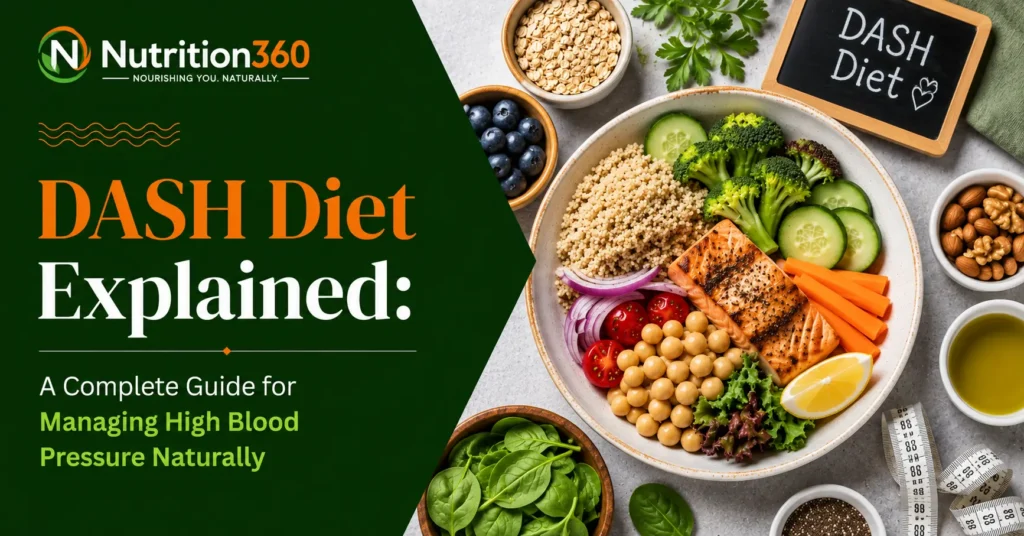
The Dietary Approaches to Stop Hypertension (DASH) diet is specifically designed to lower blood pressure while improving overall heart health. Rich in fruits, vegetables, whole grains, lean proteins, and low-fat dairy, the DASH diet emphasizes nutrient-dense foods that naturally support healthy blood pressure levels.
Whether you’ve recently been diagnosed with hypertension or are looking for a preventive approach, this guide explains everything you need to know about the DASH diet.
What is the DASH Diet?
The DASH Diet (Dietary Approaches to Stop Hypertension) is a heart-healthy eating plan developed to help lower high blood pressure without relying solely on medication. It encourages foods rich in:
- Potassium
- Calcium
- Magnesium
- Fiber
- Lean Protein
At the same time, it limits:
- Sodium (salt)
- Added sugars
- Saturated fats
- Processed foods
- Sugary beverages
Unlike restrictive fad diets, the DASH diet is a balanced, sustainable way of eating suitable for long-term health.
Why is the DASH Diet Recommended for Hypertension?
Excess sodium intake can increase blood pressure by causing the body to retain more water. The DASH diet counteracts this by focusing on nutrient-rich foods that help regulate blood pressure naturally.
Studies have shown that individuals following the DASH diet may experience noticeable improvements in blood pressure within just a few weeks, particularly when sodium intake is also reduced.
The diet is recommended by healthcare professionals worldwide for preventing and managing hypertension.
How Does the DASH Diet Help Lower Blood Pressure?
The DASH diet works through several mechanisms:
1. Reduces Sodium Intake
Lower sodium consumption decreases fluid retention, reducing pressure on blood vessels.
2. Increases Potassium Intake
Potassium helps balance sodium levels and relaxes blood vessel walls.
Good sources include:
- Bananas
- Oranges
- Spinach
- Sweet potatoes
- Coconut water (in moderation)
3. Provides Magnesium
Magnesium supports healthy blood vessel function.
Sources include:
- Nuts
- Seeds
- Whole grains
- Green vegetables
4. Supplies Adequate Calcium
Calcium contributes to proper blood vessel contraction and relaxation.
Found in:
- Low-fat milk
- Yogurt
- Paneer (low-fat)
- Fortified plant milk
5. Encourages Weight Management
A nutrient-dense diet naturally supports healthy weight loss, which further helps reduce blood pressure.
Health Benefits of the DASH Diet
Following the DASH diet may help:
- Lower high blood pressure
- Improve heart health
- Reduce LDL (bad) cholesterol
- Lower the risk of stroke
- Improve kidney health
- Support diabetes management
- Promote healthy weight loss
- Reduce inflammation
- Improve overall nutrition
- Lower the risk of cardiovascular diseases
Foods to Eat on the DASH Diet
Fruits
Aim for 4–5 servings daily.
Examples:
- Apples
- Bananas
- Oranges
- Papaya
- Guava
- Berries
- Pears
- Watermelon
Vegetables
Consume at least 4–5 servings daily.
Choose:
- Spinach
- Broccoli
- Carrots
- Tomatoes
- Bottle gourd
- Pumpkin
- Cucumber
- Beetroot
Whole Grains
Include:
- Brown rice
- Oats
- Whole wheat roti
- Quinoa
- Millets (Ragi, Bajra, Jowar)
- Barley
Lean Protein
Healthy options:
- Fish
- Skinless chicken
- Eggs
- Tofu
- Soy chunks
- Lentils
- Chickpeas
- Rajma
- Moong dal
Low-Fat Dairy
Choose:
- Low-fat milk
- Greek yogurt
- Curd
- Low-fat paneer
Healthy Fats
Consume in moderation.
Include:
- Almonds
- Walnuts
- Flaxseeds
- Chia seeds
- Olive oil
- Mustard oil
- Groundnut oil
Foods to Avoid on the DASH Diet
Limit or avoid:
- Processed foods
- Packaged snacks
- Instant noodles
- Chips
- Pickles
- Salted nuts
- Bakery products
- Butter
- Ghee (excessive amounts)
- Fatty red meat
- Sugary drinks
- Soft drinks
- High-sodium sauces
- Fast food
DASH Diet Food List for Indians
Food Group | Recommended Choices |
Whole Grains | Whole wheat roti, oats, brown rice, millets |
Vegetables | Spinach, bottle gourd, cauliflower, beans |
Fruits | Guava, apple, orange, papaya |
Protein | Dal, rajma, chole, tofu, eggs, fish |
Dairy | Low-fat milk, curd, paneer |
Healthy Fats | Almonds, walnuts, seeds |
Oils | Mustard oil, olive oil, groundnut oil |
Sample One-Day DASH Diet Meal Plan
Early Morning
- Warm water
- 5 soaked almonds
- 2 walnuts
Breakfast
- Vegetable oats upma
- Low-fat milk
- One fruit
Mid-Morning Snack
- Apple
- Coconut water (unsweetened)
Lunch
- Two whole wheat rotis
- Mixed vegetable curry
- Dal
- Salad
- Low-fat curd
Evening Snack
- Roasted chana
- Green tea
Dinner
- Grilled fish or tofu
- Stir-fried vegetables
- Brown rice or millet
Bedtime
- A glass of low-fat milk
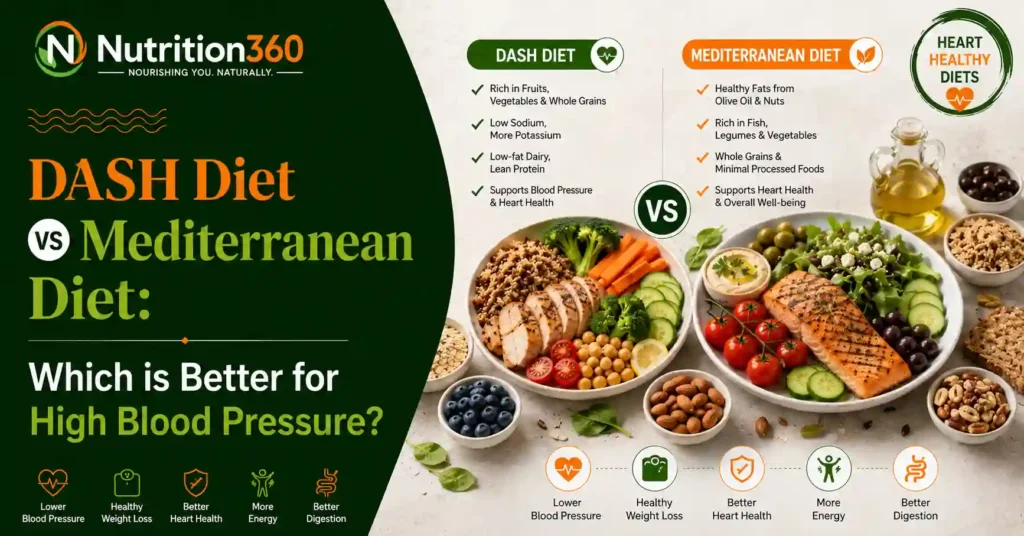
DASH Diet vs Mediterranean Diet
Feature | DASH Diet | Mediterranean Diet |
Main Goal | Lower blood pressure | Overall heart health |
Sodium | Low | Moderate |
Olive Oil | Moderate | High |
Dairy | Low-fat | Moderate |
Red Meat | Limited | Limited |
Fruits & Vegetables | High | High |
DASH Diet vs Low-Sodium Diet
The DASH diet naturally reduces sodium but also emphasizes increasing beneficial nutrients like potassium, calcium, magnesium, fiber, and lean protein. A low-sodium diet focuses primarily on limiting salt intake, whereas DASH offers a more comprehensive approach to heart health.
DASH Diet for Weight Loss
Although designed for hypertension, the DASH diet can also support weight loss because it:
- Promotes whole, minimally processed foods
- Is high in fiber, which helps you feel full
- Encourages portion control
- Reduces intake of sugary and high-fat foods
- Supports healthy metabolism through balanced nutrition
DASH Diet for Diabetes and Hypertension
The DASH diet is suitable for people managing both diabetes and high blood pressure. Focus on:
- Low glycemic index foods
- Whole grains
- High-fiber vegetables
- Lean protein
- Unsweetened dairy
- Controlled carbohydrate portions
Consult a registered dietitian for personalized meal planning if you have diabetes.
Tips to Start the DASH Diet Successfully
- Reduce salt gradually instead of all at once.
- Read nutrition labels and choose low-sodium products.
- Fill half your plate with vegetables.
- Replace sugary snacks with fruits.
- Choose whole grains over refined grains.
- Include lean protein with each meal.
- Stay hydrated throughout the day.
- Limit processed and packaged foods.
- Exercise regularly for at least 150 minutes per week.
- Monitor your blood pressure regularly.
Common Mistakes to Avoid
- Assuming all packaged “healthy” foods are low in sodium.
- Skipping meals and overeating later.
- Using excessive sauces and condiments.
- Drinking sugary beverages.
- Eating oversized portions.
- Ignoring hidden salt in restaurant meals.
- Not consuming enough fruits and vegetables.
- Mansee
The DASH (Dietary Approaches to Stop Hypertension) diet is a scientifically proven eating plan designed to help lower high blood pressure naturally. It focuses on fruits, vegetables, whole grains, lean proteins, low-fat dairy, nuts, and legumes while limiting sodium, sugar, and unhealthy fats.
The DASH diet provides nutrients such as potassium, calcium, magnesium, fiber, and protein that help regulate blood pressure. It also reduces sodium intake, which minimizes water retention and decreases pressure on blood vessels.
For people with mild hypertension or pre-hypertension, the DASH diet may significantly reduce blood pressure, especially when combined with regular exercise, weight management, and stress reduction. However, you should never stop prescribed medications without consulting your doctor.
The standard DASH diet recommends limiting sodium to 2,300 mg per day. For greater blood pressure reduction, many healthcare professionals recommend consuming no more than 1,500 mg of sodium daily.
The DASH diet encourages:
- Fresh fruits and vegetables
- Whole grains
- Low-fat dairy products
- Skinless chicken and fish
- Lentils, beans, and legumes
- Nuts and seeds
- Healthy fats like olive oil
- Herbs and spices instead of salt
Avoid or limit:
- Processed foods
- Packaged snacks
- Pickles and papads
- Fast food
- Sugary beverages
- Processed meats
- Fried foods
- High-sodium sauces and seasonings
Yes. The DASH diet can easily be adapted to Indian cuisine by including roti made from whole wheat, dal, vegetables, curd, fruits, sprouts, brown rice, millet, and healthy cooking oils while reducing salt, fried foods, and processed snacks.
Yes. Since the DASH diet emphasizes nutrient-dense, high-fiber foods and limits processed foods, it can support healthy and sustainable weight loss when combined with calorie control and physical activity.
Yes. The DASH diet promotes foods with a low glycemic index, healthy fats, and fiber-rich carbohydrates, making it beneficial for blood sugar management. People with diabetes should still personalize their meal plan with the guidance of a registered dietitian.
Absolutely. The DASH diet may lower blood pressure, reduce LDL (bad) cholesterol, improve blood vessel function, and decrease the risk of heart attack, stroke, and other cardiovascular diseases.
Yes. The DASH diet is considered one of the healthiest eating patterns for seniors because it supports heart health, bone health, healthy weight, and overall well-being. Individual dietary needs should still be discussed with a healthcare provider.
Yes. Vegetarian versions of the DASH diet include lentils, beans, chickpeas, soy products, low-fat dairy, nuts, seeds, whole grains, fruits, and vegetables to meet nutritional needs.
Yes. Eggs can be included in moderation as a source of high-quality protein. Pair them with vegetables and whole grains for a balanced meal.
Moderate coffee consumption is generally acceptable for most people. However, individuals with uncontrolled hypertension should discuss caffeine intake with their healthcare provider, as sensitivity varies.
Not always. The DASH diet contains foods rich in potassium and phosphorus, which may need to be restricted in certain stages of kidney disease. Patients with chronic kidney disease should consult a nephrologist or renal dietitian before starting the DASH diet.
Many people notice improvements in blood pressure within two to four weeks of consistently following the DASH diet and reducing sodium intake.
Healthy options include:
- Apples
- Oranges
- Bananas
- Guava
- Papaya
- Berries
- Kiwi
- Pears
- Watermelon
- Pomegranate
The DASH diet encourages:
- Spinach
- Broccoli
- Carrots
- Tomatoes
- Cucumbers
- Bell peppers
- Bottle gourd
- Pumpkin
- Cabbage
- Green beans
Yes. Brown rice, red rice, hand-pounded rice, and millets are preferred over refined white rice because they provide more fiber and nutrients.
Examples include:
- Vegetable oats with curd
- Whole wheat vegetable sandwich
- Moong dal chilla with mint chutney
- Greek yogurt with fruits and nuts
- Vegetable poha with peanuts (prepared with minimal salt)
Yes. Choose grilled or baked foods, whole grains, salads, dal, vegetables, and fresh fruit. Ask for less salt and avoid fried foods, sugary drinks, and processed sauces whenever possible.
Not necessarily. The primary focus is on improving food quality and portion control. However, calorie tracking may help individuals with weight-loss goals.
Yes. By lowering blood pressure and improving cardiovascular health, the DASH diet can help reduce the risk of stroke and other heart-related complications.
Consult a registered dietitian or healthcare provider if you:
- Have kidney disease
- Have diabetes requiring insulin adjustments
- Are pregnant or breastfeeding
- Have heart failure
- Take medications affected by potassium intake
- Have other chronic medical conditions
A registered dietitian can personalize the DASH diet according to your age, medical history, medications, activity level, weight goals, and cultural food preferences, ensuring the plan is safe, balanced, and effective for long-term blood pressure management.
Final Thoughts
The DASH Diet is one of the most effective and sustainable dietary approaches for managing high blood pressure naturally. By emphasizing nutrient-rich foods, reducing sodium, and encouraging balanced eating habits, it not only helps control hypertension but also supports heart health, kidney function, diabetes management, and healthy weight maintenance.
Adopting the DASH diet as part of a healthy lifestyle—along with regular exercise, adequate sleep, stress management, and routine medical check-ups—can significantly reduce the risk of cardiovascular disease and improve overall well-being. If you have hypertension or other medical conditions, consult a registered dietitian or healthcare provider to create a personalized DASH meal plan that meets your nutritional needs.
Other Blogs
Discover a practical PCOS diet plan for women in Noida Extension with balanced Indian meals, vegetarian options, healthy food choices, and easy tips for managing...
Read More
Discover a practical PCOS diet plan for women in Noida Extension with balanced Indian meals, vegetarian options, healthy food choices, and easy tips for managing...
Read More
Looking for a fatty liver dietitian in Noida? Discover the best foods to eat and avoid, Indian diet tips, healthy meal choices, and practical nutrition...
Read More
Mansee Chauhan is the Head Nutritionist at Nutrition360, Greater Noida West, dedicated to providing personalized, evidence-based nutrition guidance for individuals seeking sustainable improvements in their health and lifestyle. She focuses on creating practical diet plans tailored to individual health goals, dietary preferences, lifestyle patterns, and nutritional needs. Her areas of nutrition expertise include weight management, diabetes-friendly nutrition, gut health, hormonal wellness, fitness nutrition, and overall healthy living. Through personalized nutrition counselling and structured dietary guidance, Mansee Chauhan helps individuals develop healthier eating habits and make sustainable lifestyle changes for long-term well-being.